
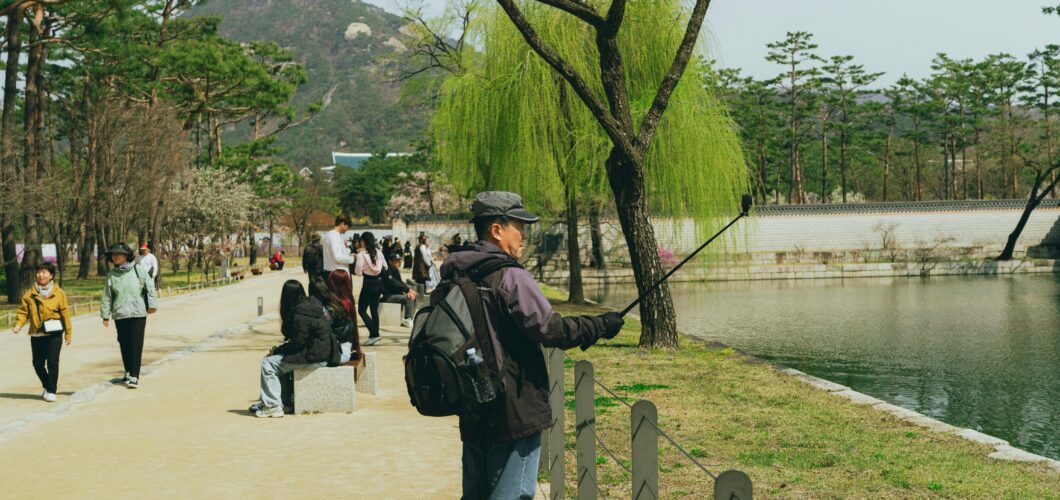
When it comes to travel, the most rewarding experiences often come not from checking off the typical tourist sites, but from truly immersing yourself in the local culture. Traveling like a local means stepping off the beaten path, embracing unfamiliar customs, and seeing the world through the eyes of the people who call your destination home. It’s about connection, authenticity, and discovering the soul of a place beyond the guidebooks.
Here’s a 10-step guide to help you travel like a local and make the most of your next cultural adventure.
1. Learn the Language – Even Just a Little
One of the most powerful tools for cultural immersion is language. You don’t need to be fluent—just learning a few essential phrases like “hello,” “thank you,” “how much?” or “where is…” can go a long way. Locals appreciate when visitors make the effort to speak their language, even if it’s not perfect.
Use language learning apps before your trip or carry a pocket phrasebook. Simple exchanges often lead to unexpected conversations, new friends, and a deeper understanding of the place you’re visiting.
2. Stay Where Locals Live
Skip the international hotel chains and opt for local accommodations like homestays, boutique guesthouses, or Airbnb rentals. These not only offer a more personal experience but often put you right in the heart of local neighborhoods.
Living where locals live gives you a firsthand look at daily life, from morning markets to evening routines. In a homestay, you might even share meals with your host family, gaining insight into local customs and traditions.
3. Use Public Transportation
Taxis and rideshares are convenient, but public transportation is where the culture lives. Buses, subways, tuk-tuks, or even shared minivans expose you to local people, languages, and rhythms of daily life.
You’ll get to see neighborhoods most tourists miss and save money in the process. Ask locals or use apps like Citymapper or Google Maps to navigate unfamiliar systems confidently.
4. Eat Where Locals Eat
Food is one of the most accessible and enjoyable ways to experience a culture. Skip the tourist-friendly restaurants with English menus and find where locals actually eat—whether it’s a tiny noodle shop in Tokyo, a busy taqueria in Mexico City, or a street food stall in Bangkok.
You can also take a local cooking class or visit a food market to see how ingredients are selected and meals are prepared. Local food traditions often reveal the history, values, and stories of a place.
5. Shop at Local Markets
Instead of souvenir shops, visit traditional markets where people go for groceries, clothes, and household items. You’ll get a sense of what locals value and how they live.
Markets are a feast for the senses—colors, smells, sounds, and conversations swirl together in a vibrant dance. They’re also great places to support local artisans and small businesses while finding unique keepsakes.
6. Participate in Local Events and Festivals
Time your visit to coincide with local festivals, holidays, or community events. These occasions are full of cultural expression—from music and dance to food and rituals.
Attending a small-town harvest festival or a religious procession offers insight into local beliefs and values that you won’t get from museums. Ask around or check community bulletin boards to discover what’s happening while you’re there.
7. Be Curious—Talk to People
Don’t be shy about striking up conversations. Ask locals where they like to eat, what they love about their city, or how a particular tradition started. You’ll often get recommendations better than any guidebook.
Whether it’s your taxi driver, barista, or someone you meet on a park bench, people are usually happy to share their stories. Being open, respectful, and genuinely interested can open doors to unique experiences.
8. Respect Local Customs and Etiquette
Part of traveling like a local is knowing and respecting the cultural norms of the place you’re visiting. This includes dress codes, tipping practices, greeting customs, and religious observances.
Before your trip, research the basics of local etiquette. For example, in Japan, it’s customary to bow, and in many Middle Eastern countries, modest clothing is expected. Respect builds trust and encourages meaningful connections.
9. Explore on Foot or by Bike
Slow down and see the world at street level. Walking or biking allows you to take in details you’d miss in a car—like the aroma from a bakery, street murals, or hidden courtyards.
Many cities offer free or low-cost walking tours run by locals. These are not only budget-friendly but offer a more intimate perspective than commercial tours. You’ll often discover neighborhoods, stories, and local gems off the radar.
10. Keep an Open Mind and Be Present
Perhaps the most important part of traveling like a local is embracing the unexpected. Things may not go according to plan—and that’s often where the best experiences lie.
Be willing to get lost, try something new, or take a detour. If a local invites you to a family meal or recommends a place not on your list, say yes. These unplanned moments often lead to the most memorable stories.
Final Thoughts
Traveling like a local isn’t about pretending to be someone you’re not—it’s about approaching travel with humility, curiosity, and respect. It’s about listening more than speaking, learning more than judging, and blending in more than standing out.
When you immerse yourself in another culture, you grow in ways that no picture or souvenir can capture. You gain empathy, broaden your perspective, and form connections that can last a lifetime.
So on your next trip, go beyond the usual tourist track. Eat with locals. Wander side streets. Ask questions. And most of all, be open to the beautiful, surprising, and sometimes messy reality of everyday life in a place that’s not your own.
Because when you travel like a local, the world feels a little more like home.
Generated by ChatGPT